

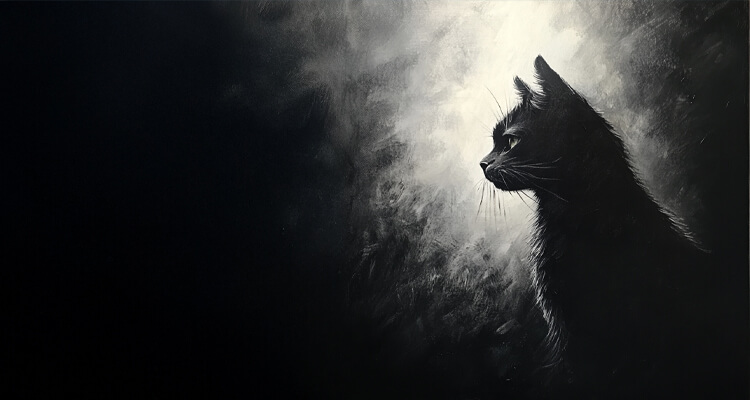
Walk into ten different countries and ask what a black cat represents, and you’ll probably hear ten different answers. In one place it’s a symbol of good fortune. In another, it’s a witch’s companion. Somewhere else, it’s believed to protect the home from evil spirits. Few animals have collected as many conflicting stories as the black cat, making it one of folklore’s most enduring and misunderstood symbols.
For centuries, black cats have appeared in myths, religious beliefs, literature, and popular culture. Their sleek appearance and nocturnal habits have inspired everything from tales of protection and prosperity to stories of curses and witchcraft. The result is a fascinating history where one animal has come to represent some of humanity’s deepest hopes, fears, and superstitions.
Guardians or Harbingers?
Black cats have occupied both sides of folklore for centuries.
In parts of Slavic tradition, they were believed to protect homes, livestock, and families from harmful spirits. Their presence offered reassurance rather than fear, and they were welcomed as watchful guardians.
Elsewhere, the same dark coat inspired very different interpretations.
Black cats became associated with witchcraft, death, and the supernatural, leading many people to see them as omens of misfortune. Rather than protecting the household, they were thought to bring danger to it.
These opposing beliefs reveal something interesting about folklore. Black cats rarely symbolize only one idea. Instead, they exist in the space between comfort and unease, familiar companions and mysterious outsiders.
Between the Living and the Spirit World
Across several cultures, black cats are closely connected with magic and the unseen.
In Chinese and Russian folklore, they have been associated with mystery, power, and the world of spirits. Some traditions suggest they act as intermediaries between the living and the dead, reflecting broader beliefs about ancestors and the afterlife.
Whether viewed as guardians, messengers, or supernatural companions, black cats often appear wherever stories explore the boundary between this world and the next.
For many people today, these traditions are less about literal belief and more about symbolism. Black cats have become reminders that not everything needs to be fully explained to remain meaningful.
How Medieval Europe Changed Their Reputation
The image of the black cat shifted dramatically during the Middle Ages.
As Christianity spread across Europe, many older pagan beliefs came under increasing scrutiny. Animals once connected with local traditions and folk practices were sometimes recast as symbols of evil, and black cats became closely linked with accusations of witchcraft.
Their nocturnal habits and secretive nature only reinforced these suspicions.
During periods of witch hunts and religious persecution, black cats were often believed to be witches’ companions, or “familiars,” helping their owners perform supernatural acts. These beliefs contributed to centuries of fear and persecution directed toward both people and animals.
Ironically, the qualities that once inspired suspicion now contribute to their appeal within gothic culture.
Black Cats in Literature
Writers have long recognized the symbolic power of black cats.
One of the most famous examples is The Black Cat by Edgar Allan Poe, where the animal becomes deeply intertwined with guilt, violence, and psychological collapse. Rather than functioning as a simple pet, the cat reflects the narrator’s conscience and growing descent into madness.
The story helped cement the black cat’s place within gothic literature, where it continues to symbolize hidden truths, moral conflict, and the blurred line between reality and the supernatural.
Its influence can still be seen in modern horror, fantasy, and dark fiction.
From Superstition to Symbols of Individuality
In recent years, black cats have taken on new meanings.
Many people now see them as symbols of resilience, independence, and self-expression. Their long history of misunderstanding has even made them icons for those who embrace being different or reject social expectations.
Animal shelters continue to work against old superstitions that have sometimes made black cats harder to adopt than other cats. Campaigns celebrating Black Cat Appreciation Day and similar events have helped challenge many of the myths that once surrounded them.
Today, countless people see black cats not as omens of bad luck, but as affectionate companions whose reputation deserves another look.
Why Black Cats Continue to Fascinate
Black cats have survived centuries of changing beliefs without losing their mystery.
They have been worshipped, feared, celebrated, persecuted, and reimagined countless times across different cultures. Few animals carry such a rich collection of symbolic meanings.
For lovers of gothic culture, that complexity is part of their enduring appeal. Black cats embody contradiction. They are elegant yet unsettling, familiar yet mysterious, ordinary companions that continue to inspire extraordinary stories.
Perhaps that’s why they remain one of the most recognizable symbols of the gothic imagination. Every generation finds something different reflected in their watchful eyes, and the mystery is part of what keeps us coming back.
Every legend has another story behind it.
If you enjoyed learning about the symbolism of black cats, there’s plenty more to explore. Love of Gothic is filled with folklore, gothic history, mythology, mysterious creatures, and the traditions that continue to shape dark culture around the world.
Want to help us keep uncovering these stories? Supporting Love of Gothic on Patreon is one way to do it, but it’s far from the only one. Share an article with a fellow folklore enthusiast, recommend the site to a friend, favourite the listings you enjoy, or leave reviews where you can. Every contribution helps more people discover the fascinating history and culture behind the gothic world.
Thanks for exploring the shadows with us.