

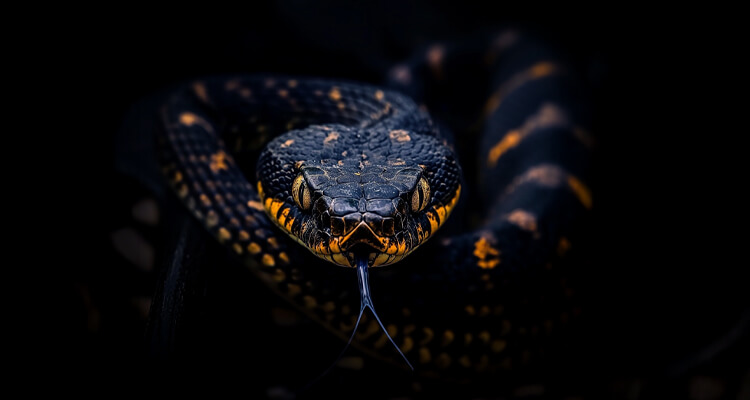
Snakes have inspired stories, symbols, and superstitions for thousands of years. They appear in myths as guardians, tricksters, healers, and harbingers of change. While their quiet movements and unblinking stare have earned them an air of mystery, their real life cycle is every bit as fascinating.
From the moment a young snake hatches or is born, its life is shaped by survival. There are no lessons from parents, no family groups, and very little room for mistakes. Every stage, from fragile hatchling to experienced hunter, reflects millions of years of evolution that have allowed snakes to thrive in habitats around the world.
A Life That Begins in Many Different Ways
Not all snakes enter the world the same way.
Some species lay eggs, a reproductive strategy known as oviparity. Others give birth to live young, while some retain eggs inside their body until they hatch shortly before birth, a method called ovoviviparity. These different approaches have helped snakes adapt to environments ranging from humid forests to dry deserts and cool mountain regions.
Most snakes provide little or no parental care after birth. Once a hatchling emerges, it is immediately responsible for finding food, avoiding predators, and surviving on its own.
There are a few remarkable exceptions. King cobras, for example, build nests from leaves and actively guard their eggs until they hatch, making them one of the few snake species to show this level of parental care.
Growing One Shed at a Time
Young snakes grow quickly, and that growth comes with one of their most recognizable behaviours: shedding their skin.
This process, called ecdysis, allows the snake to replace worn skin, heal minor damage, and continue growing. Juveniles may shed several times a year, while adults usually molt less frequently as their growth slows.
Before shedding, many snakes become less active, and their eyes often appear cloudy or bluish as a new layer of skin forms underneath. Once the old skin loosens, the snake rubs against rough surfaces until it peels away, often leaving behind a nearly perfect impression of its former appearance.
For many cultures, this process has become a symbol of renewal and transformation. For the snake, it is simply a necessary part of life.
Learning to Survive
The early years are often the most dangerous.
Young snakes face predators ranging from birds and mammals to larger reptiles and even other snakes. Many never reach adulthood.
Those that survive gradually become more effective hunters. Depending on the species, they may rely on venom, constriction, or simply quick strikes to capture prey. Hunting skills improve with experience, allowing adult snakes to tackle larger and more challenging meals.
Unlike mammals, snakes don’t need to eat every day. A successful meal can sustain them for days or even weeks, depending on the species and the size of the prey.
Reaching Maturity
As snakes mature, their priorities begin to shift toward reproduction.
Breeding seasons vary depending on climate and species. In cooler regions, many snakes mate after emerging from winter brumation, while tropical species may breed during wetter times of the year when food is more abundant.
Male snakes often compete for access to females. Some species engage in “combat dances,” where rivals intertwine their bodies and attempt to push one another to the ground. Despite their dramatic appearance, these contests rarely involve biting and usually end without serious injury.
Females invest significant energy into producing eggs or carrying developing young. Once the next generation arrives, however, parental involvement usually ends, leaving the cycle to begin again.
Growing Older
Snakes age differently from many animals.
They do not develop obvious wrinkles or grey hair, and many continue growing slowly throughout much of their lives. Healthy individuals can remain effective hunters for many years, particularly larger species with fewer natural predators.
Eventually, age takes its toll. Hunting becomes more difficult, injuries heal more slowly, and disease becomes a greater threat. Lifespans vary widely between species. Some smaller snakes live only a few years, while larger species such as Burmese pythons can survive for several decades under the right conditions.
How the Environment Shapes Every Stage of Life
A snake’s life is closely tied to the world around it.
Because snakes are ectothermic, they depend on external temperatures to regulate their body heat. Cold weather slows their metabolism, and many species enter a dormant state known as brumation during winter. As temperatures rise, they become active again, feeding, breeding, and searching for shelter.
Rainfall, prey availability, habitat quality, and seasonal changes all influence whether a population thrives or struggles.
Today, habitat destruction, pollution, road mortality, and climate change are placing increasing pressure on many snake species. As natural landscapes disappear, so do the places snakes rely on for hunting, shelter, and reproduction.
Why Snakes Continue to Fascinate
A snake’s life may seem simple at first glance, but every stage reflects an extraordinary balance between instinct and adaptation. From a hatchling surviving without parental care to an adult navigating seasonal changes and reproduction, snakes have evolved strategies that have allowed them to persist for millions of years.
Their ability to shed their skin has made them enduring symbols of renewal in cultures around the world, while their quiet movements and secretive lives continue to inspire both curiosity and caution.
The more we learn about snakes, the more they reveal themselves to be complex, resilient animals rather than the villains of folklore. Their life cycle is not only a story of survival, but also a reminder that even the most misunderstood creatures play an important role in the ecosystems they call home.
Enjoying Love of Gothic?
Love of Gothic is built by volunteers who simply love sharing gothic culture in all its forms. If you’d like to help us keep creating articles, directories, recipes, and resources for the community, becoming a Patreon member is one of the best ways to support our work.
Not in a position to contribute financially? You can still make a huge difference. Share Love of Gothic with friends, recommend the site in your favourite communities, leave reviews where you can, favourite the listings you enjoy, and help us grow a community that celebrates gothic culture in all its forms.
However you choose to support us, thank you for being part of the community.