

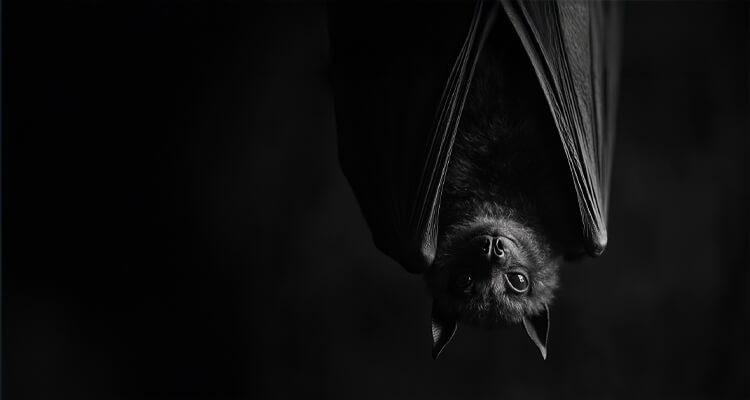
As daylight fades and the first stars appear, one of nature’s busiest shifts begins. Bats emerge from caves, hollow trees, and hidden roosts to feed, pollinate flowers, and quietly shape the ecosystems around them. Although they are often associated with folklore and gothic imagery, their greatest influence comes from work that most people never see.
With more than 1,400 species found across nearly every continent, bats are among the world’s most diverse mammals. Some feed on nectar, others on fruit, fish, or insects, and together they perform ecological jobs that support forests, farms, and countless other species. Without them, many ecosystems would look very different.
Nighttime Pollinators
When bees and butterflies settle in for the evening, many bats are just getting started.
In tropical and subtropical regions, nectar-feeding bats pollinate hundreds of flowering plants. As they travel between blooms in search of nectar, pollen collects on their fur and is carried to the next flower, allowing plants to reproduce.
Many bat-pollinated plants have evolved specifically for these nighttime visitors. Their flowers often open after sunset, produce large amounts of nectar, and release strong, musky scents that are easier to detect in the dark. Rather than relying on bright colours to attract insects, they depend on scent and accessibility.
Because bats can travel long distances during a single night, they also help connect plant populations across fragmented landscapes, increasing genetic diversity and improving the resilience of many species.
The Bats Behind Some Familiar Foods
The benefits of bat pollination extend well beyond the natural world.
Several commercially important crops rely on bats for successful pollination, including durian, dragon fruit, bananas, mangoes, and agave. In Southeast Asia, cave nectar bats play an especially important role in durian production, helping produce the fruit that supports a multi-billion-dollar industry.
In Mexico, nectar-feeding bats contribute significantly to dragon fruit agriculture, providing natural pollination that would otherwise require costly human intervention.
Their work also supports wildlife. The fruits that develop after bat pollination become food for birds, mammals, reptiles, and countless other animals, helping entire ecosystems flourish.
Partners in Plant Evolution
The relationship between bats and flowering plants has developed over millions of years.
Many night-blooming plants have evolved large, pale flowers that are easier for bats to locate after dark. Others produce deep nectar reservoirs that perfectly match the feeding behaviour of nectar-loving species.
This close partnership benefits both sides. Plants receive reliable pollination, while bats gain an important food source.
In habitats where forests have become fragmented, bats provide another valuable service by carrying pollen between isolated plant populations. Their ability to cover long distances helps maintain healthy forests that might otherwise become genetically isolated.
Nature’s Pest Control Experts
Not all bats feed on nectar.
Many species spend the night hunting insects, consuming enormous numbers before sunrise. A single insect-eating bat can eat thousands of insects in one evening, making bats one of nature’s most effective forms of pest control.
Their prey includes moths, beetles, mosquitoes, leafhoppers, and other insects that damage crops or spread disease. By keeping these populations in check, bats help maintain healthier ecosystems while reducing pressure on both agriculture and natural habitats.
Farmers around the world benefit from this nightly work, often without realizing it.
Helping Farmers Reduce Pesticide Use
Healthy bat populations can reduce the need for chemical pesticides.
Research has shown that bats help suppress major agricultural pests, including armyworms and corn earworms, saving farmers millions of dollars each year through reduced crop losses.
Fewer pests mean fewer pesticides, creating benefits that extend beyond agriculture. Lower pesticide use helps protect pollinating insects such as bees and butterflies, reduces contamination of soil and waterways, and supports healthier ecosystems overall.
By encouraging bat-friendly farming practices, including preserving natural roosting sites and maintaining native vegetation, farmers can strengthen these natural pest control services while supporting biodiversity.
Threats Facing Bat Populations
Despite their ecological importance, many bat species face growing challenges.
Habitat destruction removes the caves, forests, and old trees they depend on for shelter. Climate change alters food availability and migration patterns, while diseases such as White-nose Syndrome have devastated bat populations across parts of North America.
Public misunderstanding also continues to be a problem. Although bats are sometimes feared because of myths or their association with horror stories, the vast majority pose little threat to people and spend their nights providing valuable ecological services.
Protecting bats ultimately means protecting the ecosystems that depend on them.
Why Bats Matter
Bats have earned a lasting place in gothic literature and folklore. Their silent flight, nocturnal habits, and ability to vanish into the darkness make them natural symbols of mystery. Yet their greatest achievements happen far from haunted castles and vampire legends.
Every night, bats pollinate flowers, disperse seeds, and consume insects in numbers that help sustain forests, farms, and wildlife across the globe. Much of this work goes unnoticed, but the consequences of losing it would be impossible to ignore.
The next time you spot a bat silhouetted against the evening sky, remember that you’re watching one of nature’s hardest workers begin another night’s shift. Quietly, and without recognition, these remarkable mammals help keep the natural world in balance.
Enjoying Love of Gothic?
Love of Gothic is built by volunteers who simply love sharing gothic culture in all its forms. If you’d like to help us keep creating articles, directories, recipes, and resources for the community, becoming a Patreon member is one of the best ways to support our work.
Not in a position to contribute financially? You can still make a huge difference. Share Love of Gothic with friends, recommend the site in your favourite communities, leave reviews where you can, favourite the listings you enjoy, and help us grow a community that celebrates gothic culture in all its forms.
However you choose to support us, thank you for being part of the community.