

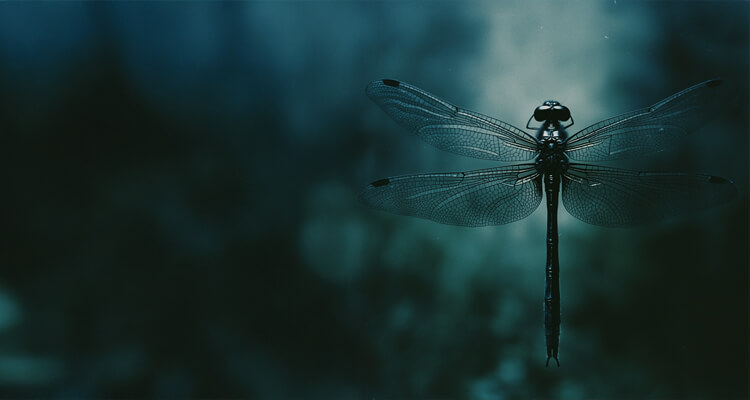
Dragonflies spend most of their lives somewhere you’ll probably never see them.
Although they are famous for their shimmering wings and breathtaking aerial acrobatics, those graceful adults represent only the final chapter of a much longer story. Before taking to the air, dragonflies spend months, and sometimes years, living as underwater predators hidden beneath the surface of ponds, lakes, streams, and marshes.
Their life cycle is one of the most remarkable transformations in the natural world, carrying them from the quiet depths of freshwater habitats to the open skies above.
Life Begins Underwater
Every dragonfly starts life as an egg.
Females lay their eggs in or near freshwater, attaching them to aquatic plants or depositing them directly into the water. Depending on the species and environmental conditions, the eggs may hatch within days or remain dormant for weeks before the tiny larvae emerge.
Temperature, oxygen levels, and seasonal changes all influence when hatching occurs. Some species have even evolved eggs capable of surviving temporary droughts, allowing dragonflies to persist in habitats where water levels fluctuate throughout the year.
From these tiny beginnings emerges a creature that looks nothing like the elegant insect it will eventually become.
The Hidden Predator Beneath the Surface
Dragonfly nymphs spend the majority of their lives underwater.
Far from delicate, they are highly effective predators equipped with an extendable lower jaw that shoots forward to capture prey with surprising speed. Insect larvae, tadpoles, small crustaceans, and even tiny fish may all become meals for a hungry nymph.
This stage can last anywhere from several months to several years, depending on the species and local climate.
As they grow, dragonfly nymphs repeatedly shed their exoskeleton in a process known as molting. Each molt allows them to increase in size while gradually developing the features needed for their eventual transformation.
Because nymphs are highly sensitive to pollution and changes in water quality, scientists often use them as indicators of freshwater ecosystem health.
One of Nature’s Greatest Transformations
When a dragonfly reaches maturity, it leaves the water for the first and only time.
The nymph climbs onto a reed, rock, or other sturdy surface before splitting open its final exoskeleton. Slowly, the adult dragonfly pulls itself free.
At first, its wings are soft, folded, and almost transparent.
Over the next several hours, fluid is pumped into the wings while the body hardens. During this time, the dragonfly is especially vulnerable to predators and weather. Once its wings have fully expanded and dried, it is finally ready for flight.
Few transformations in nature are as dramatic. A creature that has spent years beneath the water suddenly enters an entirely different world.
Masters of the Air
Adult dragonflies are among the most skilled fliers in the insect world.
Their four independently controlled wings allow them to hover, fly backwards, accelerate rapidly, and change direction almost instantly. Large compound eyes provide nearly 360-degree vision, making it difficult for prey to escape unnoticed.
Mosquitoes, flies, moths, and other flying insects are all caught in midair with remarkable precision.
Although the adult stage is the one most people recognize, it is also the shortest. Many dragonflies live only a few weeks or months after emerging, dedicating that time primarily to hunting, mating, and producing the next generation.
More Than Beautiful Insects
Dragonflies play an important role in both aquatic and terrestrial ecosystems.
As nymphs, they help regulate populations of aquatic insects and other small animals. As adults, they become effective natural pest controllers by consuming large numbers of mosquitoes and other flying insects.
At the same time, dragonflies provide food for birds, amphibians, fish, and other wildlife, making them an important link within many food webs.
Because they rely on healthy freshwater habitats throughout much of their lives, dragonflies are also valuable indicators of environmental change. Declining dragonfly populations often signal broader problems affecting wetlands, rivers, and ponds.
Why Dragonflies Continue to Inspire
Dragonflies have existed for hundreds of millions of years, surviving dramatic changes that reshaped the planet long before humans appeared. Their ancestors flew alongside giant prehistoric insects, and today’s species still carry echoes of that ancient history.
Perhaps that’s part of what makes them so captivating.
They begin life hidden beneath still waters before emerging into the sunlight as agile aerial hunters, spending their final weeks in constant motion. Few animals undergo such a complete transformation while remaining so perfectly adapted to both worlds.
For lovers of gothic nature, dragonflies offer a quiet reminder that transformation often happens where we aren’t looking. Beneath the surface, unseen and unnoticed, remarkable changes are already taking place.
Nature is full of hidden stories.
If you enjoyed learning about dragonflies, you’ll find many more articles exploring the mysterious side of the natural world, from ancient creatures and unusual wildlife to folklore, history, and gothic symbolism.
If you’d like to help Love of Gothic continue growing, becoming a Patreon member is one way to support our work. You can also help by sharing articles you enjoy, recommending the site to fellow nature lovers, favouriting the listings that catch your attention, and leaving reviews where you can.
Every visit and every shared story helps more people discover the fascinating world of gothic culture. Thanks for exploring it with us.